
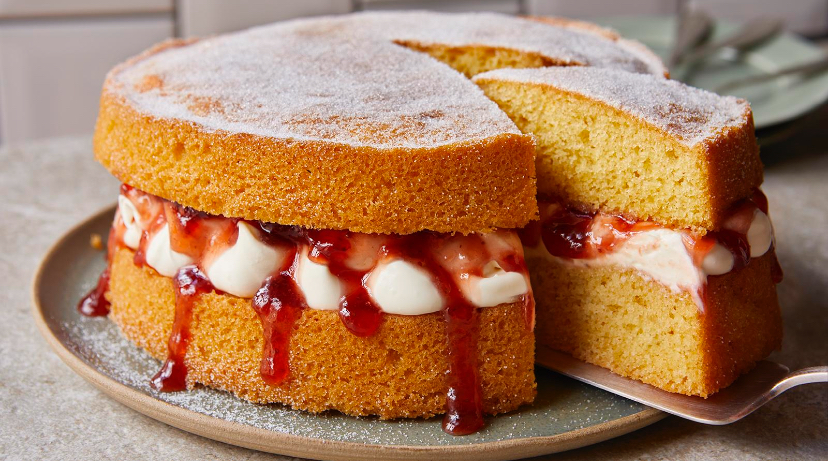
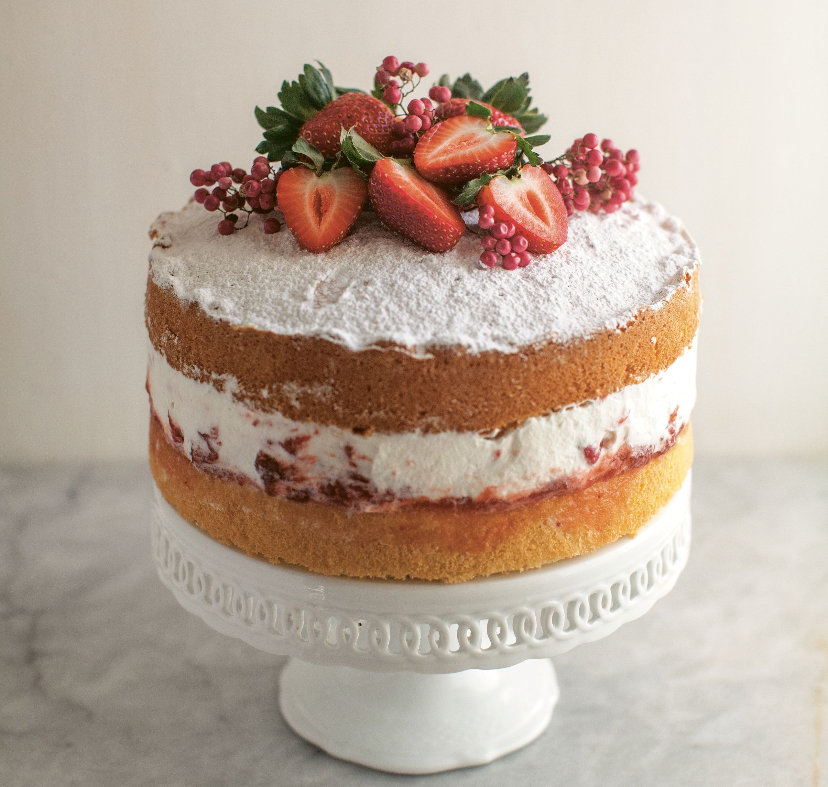
Imagine a quiet afternoon, sunlight pouring through the window, and a table set with fresh tea and a simple yet elegant cake dusted lightly with powdered sugar. You slice through the soft golden layers, revealing a ribbon of ruby-red jam and clouds of fresh cream tucked neatly inside. That’s the timeless beauty of Victoria Sponge Cake.
Named after Queen Victoria herself, this classic British “sandwich cake” has graced afternoon tea tables for generations. It’s simple, refined, and beautifully balanced. No heavy frosting. No elaborate decoration. Just tender sponge, sweet jam, and softly whipped cream working together in perfect harmony.
Victoria sponge cake proves that sometimes the simplest recipes are the most unforgettable. Light, buttery, and delicately sweet, it’s perfect for birthdays, tea parties, brunch gatherings, or whenever you crave something elegant without being over-the-top.
The secret to a perfect Victoria sponge? Proper creaming, gentle folding, and not overbaking. Master those, and you’ll have a cake that feels straight from a charming British bakery.
Ingredients
For the Sponge Cake:
- 1 cup (225g) unsalted butter, softened
- 1 cup (225g) caster sugar
- 4 large eggs, room temperature
- 2 cups (225g) self-raising flour
- 1 tsp baking powder
- 1 tsp vanilla extract
- 2 tbsp milk (if needed)
For the Filling:
- ½ cup strawberry or raspberry jam
- 1 cup heavy whipping cream
- 1–2 tbsp powdered sugar (for sweetening cream)
For Finishing:
- Powdered sugar, for dusting
Kitchen Tools
- Two 8-inch (20cm) round cake pans
- Parchment paper
- Mixing bowls
- Electric mixer or hand whisk
- Spatula
- Cooling rack
- Sieve (for dusting powdered sugar)
How to Make Victoria Sponge Cake
1. Preheat & Prepare
Preheat your oven to 350°F / 175°C. Grease and line two round cake pans with parchment paper.
Proper pan preparation ensures your delicate sponge releases cleanly and keeps its shape.
2. Cream Butter & Sugar
In a large bowl, beat the butter and sugar together until pale, fluffy, and light. This step is crucial, it incorporates air into the batter, creating that soft, tender crumb Victoria sponge is known for.
Take your time here. The mixture should look almost creamy and slightly lighter in colour.
3. Add Eggs & Vanilla
Add the eggs one at a time, mixing well after each addition. If the mixture begins to curdle slightly, add a spoonful of flour to stabilize it. Stir in vanilla extract for gentle warmth and aroma.
4. Fold in Dry Ingredients
Sift together the self-raising flour and baking powder. Gently fold into the batter using a spatula. Add milk if needed to loosen the mixture slightly.
Be careful not to overmix. Gentle folding keeps the sponge airy rather than dense.
5. Bake
Divide the batter evenly between the prepared pans and smooth the tops.
Bake for 20–25 minutes, or until the cakes are golden and spring back lightly when touched. A toothpick inserted in the center should come out clean.
Allow the cakes to cool in their pans for 10 minutes before transferring to a cooling rack.
6. Prepare the Filling
While the cakes cool completely, whip the heavy cream with powdered sugar until soft peaks form. The cream should be thick and fluffy but not overwhipped.
7. Assemble the Cake
Place one sponge layer flat side up on a serving plate. Spread a generous layer of jam evenly across the surface. Spoon or pipe the whipped cream over the jam.
Place the second sponge layer on top, pressing gently to create that classic “sandwich” look. Dust the top with powdered sugar for a simple, elegant finish.
8.Slice & Serve
Use a sharp knife to slice cleanly through the layers. Each slice should reveal golden sponge, glossy jam, and soft cream. Serve with tea or coffee for the full traditional experience.
Tips for Perfect Victoria Sponge Cake
Use room temperature ingredients — ensures smoother mixing and better texture.
Do not overbake — a dry sponge ruins the delicate balance.
Weigh ingredients accurately — precision matters in classic British baking.
Cool completely before filling — prevents cream from melting.
Use good-quality jam — it’s one of the main flavours, so make it count.
Fun Variations
Lemon Victoria Sponge – Add lemon zest to the batter and use lemon curd instead of jam.
Berry Victoria Sponge – Use mixed berry compote for extra fruitiness.
Buttercream Version – Replace whipped cream with vanilla buttercream for longer stability.
Chocolate Victoria Sponge – Replace a portion of flour with cocoa powder for a chocolate twist.
Victoria sponge cake is light, nostalgic, and effortlessly elegant. It doesn’t rely on heavy frosting or flashy decoration, its beauty lies in balance and simplicity.
From the moment the butter and sugar turn pale and fluffy to the final dusting of powdered sugar, every step feels like participating in a timeless baking tradition. And when you take that first bite, soft sponge, sweet jam, fresh cream, you’ll understand why this cake has remained a beloved classic for over a century.